Swirls, Diamonds and Damp-Patch Histories: How to Read a Pub Carpet
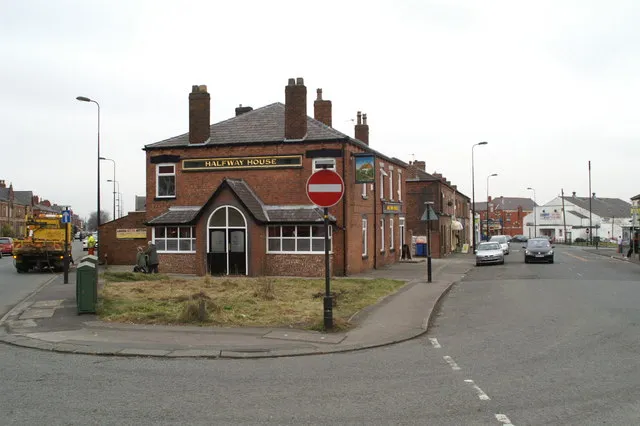
Photo: David Long, CC BY-SA 2.0, via Wikimedia Commons
The first thing you notice is not the beer. It is the carpet. It is brown, or possibly burgundy, and it contains a pattern that seems to have been designed by someone who was told to make a curry look reassuring. A pub carpet is not decor. It is a document. It records what a brewery could afford, what a region liked and where generations of drinkers have stood. In 2026, with laminate and grey paint spreading like damp, the surviving patterned carpet deserves a closer look.
An accidental archive underfoot
Most pub carpets were never meant to be art. They were specified by breweries, printed in cheap runs and fitted to hide stains, soften noise and make a large room feel like a lounge. That is exactly why they are honest. No curator chose them. No design museum approved them. They were chosen by someone with a budget and a deadline, and then worn down by actual life. A carpet that has survived twenty years of quiz nights, wakes, football arguments and Sunday lunches is a more reliable historical source than most plaques.
The 1970s swirler
Look for warm browns, oranges and ochres. Look for interlocking curves that resemble a plate of spaghetti seen through a glass of mild. The 1970s swirler was designed to be busy, because busy hides things: cigarette burns, beer spills, the general fallout of a good night. It often turns up in back rooms and lounges, faded near the windows and suspiciously dark near the bar. If you can imagine the carpet smelling faintly of Embassy Regal and gravy, you are in the right decade.
The 1980s geometric
This is the carpet of the corporate refit. Navy, red and cream are common, along with diamonds, chevrons and sharp angles that suggest a graph rather than a garden. The 1980s geometric often carries the ghost of a brewery identity: colours that once matched a sign, a pump clip or a menu cover. It is the least sentimental pub carpet, and for that reason it can be oddly moving. It was made to look modern. Now it looks like a period piece.
The 1990s heritage print
Muted greens, burgundy, fake Victorian florals and a whiff of the National Trust gift shop: the 1990s heritage print wanted to look old. It is now genuinely old. This is the carpet of the improved pub, the one that added a dining room and a specials board and a quantity of brass. It often survives in pubs that have not been touched since, which is a lucky thing for anyone who enjoys seeing a decade try to dress up as another decade.
What wear tells you
Worn patches are a map. A bald strip at the bar tells you where the regulars stand. A faded patch by the fruit machine tells you where hope once lived. A worn curve near the corridor to the loos tells you the pub is used, not staged. A carpet worn at the door and nowhere else is a carpet in a pub that people walk through rather than sit in. A carpet worn everywhere is a carpet in a pub that has been loved, or at least heavily visited, which is not the same thing but often looks similar.
The laminate problem
Laminate is easy to clean. It is also forgettable. It bounces sound, makes chairs scrape and turns a pub into a canteen with beer taps. A patterned carpet absorbs noise and gives a room a bit of warmth, even when the heating is off. When the carpet goes, a small archive goes with it: the brewery colours, the regional taste, the evidence of footfall. It is a quiet loss, but a real one. The pub may look brighter. It will feel thinner.
A practical field guide
- 1970s swirler: brown and orange loops, low pile, busy enough to hide a crime.
- 1980s geometric: navy and red diamonds, sharp angles, brewery colours in carpet form.
- 1990s heritage print: muted floral, fake traditional, dark green and burgundy.
- Modern pub carpet: too bright, too even, no mystery. Approach with caution.
Next time you are in a pub, look down before you look at the menu. The carpet is not the best thing about the pub. It is the most honest thing. It has seen more than the landlord, and it has opinions it cannot voice. That is worth a moment, even if your pint is getting warm.