A Raffle Ticket and a Plastic Chair: The Quiet Triumph of the Local Hall

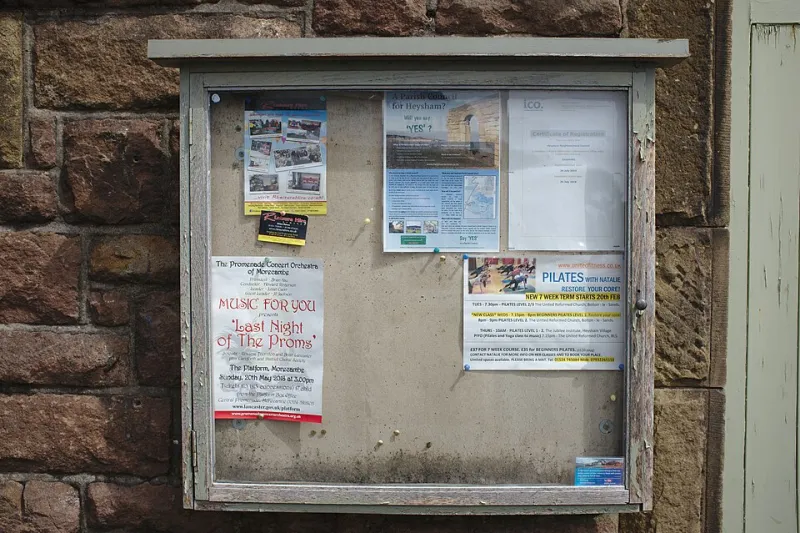
Photo: Geographer , CC BY-SA 2.0, via Wikimedia Commons
Somewhere between the last bus and the first frost, Britain still has a night out that does not require a booking, a bouncer or a bank loan. It happens in a building with a leaking gutter and a noticeboard held together by drawing pins. The village hall is not fashionable. It is better than fashionable. In 2026, when every city venue seems to want £14 for a drink and a QR code for the privilege, the parish hall remains gloriously analogue: cash raffle, instant coffee, a stack of plastic chairs that have never once been ergonomically designed. Bring custard creams if you like. Nobody will stop you.
The paintwork is not the point
A hall can be peeling, draughty and lit like a fridge, and still be excellent. The test is not whether the walls have been recently painted. The test is whether the place smells faintly of tea, floor polish and old raffle tickets, and whether somebody has bothered to put out a second bin bag. A good hall feels used. A great hall feels used by everyone, from the toddler group at nine in the morning to the film society at half seven, and nobody has felt the need to rebrand it as a community hub.
Read the noticeboard like a local newspaper
The noticeboard is the hall's front page. It tells you what the place actually is, as opposed to what the website claims. A handwritten quiz night notice with a spelling mistake and a phone number is worth more than a glossy brochure. Look for layers. The best boards have old events underneath new ones, like archaeology. A poster for a jumble sale with no early birds is a sign of civilisation. A film society that says membership not required is a sign of generosity. A ceilidh notice that says all ages, no experience needed is a direct invitation to people who cannot dance, which is most of us.
Decoding is easy once you accept that the hall speaks in understatement. All welcome means come. Members only usually means join at the door for a pound. Doors 7.30 for 8 means do not turn up at 8.05 with a complicated story about parking. A hall with no posters at all is a hall with no pulse.
The urn is a social contract
The urn is not a beverage dispenser. It is a small test of character. Queue in the order you arrived, not the order you think you deserve. Do not drain the hot water for your fourth tea while a queue of pensioners waits behind you. Put your coin in the honesty tin. Return your cup. If you finish the milk, tell someone. If you finish the biscuits, tell everyone, because that is news. The urn creates a temporary economy of patience, and the hall runs on it.
A field guide to a good hall
- A stage that is basically three pallets and a curtain, but has seen a pantomime.
- A kitchen hatch that opens, staffed by someone who knows exactly how much squash is too much squash.
- A noticeboard featuring at least one jumble sale and one pilates class.
- A raffle with a prize you cannot immediately identify.
- A caretaker who appears at 10.25pm with a bin bag and a look.
- Parking that is essentially a grass verge and a prayer.
Red flags include laminated signs saying No Dancing, a hall that only hires to private parties, and a coffee machine that takes cards. These are not fatal, but they suggest the place has forgotten what it is for.
Why unpolished wins
City venues are designed to be photographed. Halls are designed to be used. That is the difference. A quiz night in a proper hall has no lighting rig and no host with a headset, but it has a room full of people who have to see each other again on Monday. The raffle is not ironic. The film society is not a pop-up. The ceilidh is not a wellness experience. It is a night out that expects you to join in, make a fool of yourself and help stack the chairs afterwards. In 2026, that is a rare and affordable kind of glamour.
How to behave without being told
Arrive when it says. Bring change. Volunteer to help. Do not monopolise the quizmaster. If you win the raffle, accept the weird prize with grace. Wash your cup if there is a sink. Leave quietly. The hall does not need your content; it needs your raffle ticket and your willingness to move a trestle table. That is the whole deal, and it is a good one. The village hall is Britain's best night out because it asks so little and gives so much: a room, a urn, a chance to be part of something that is not trying to sell you anything.