Five Services, One Flask: A Defence of the Motorway Stop as a Day Out
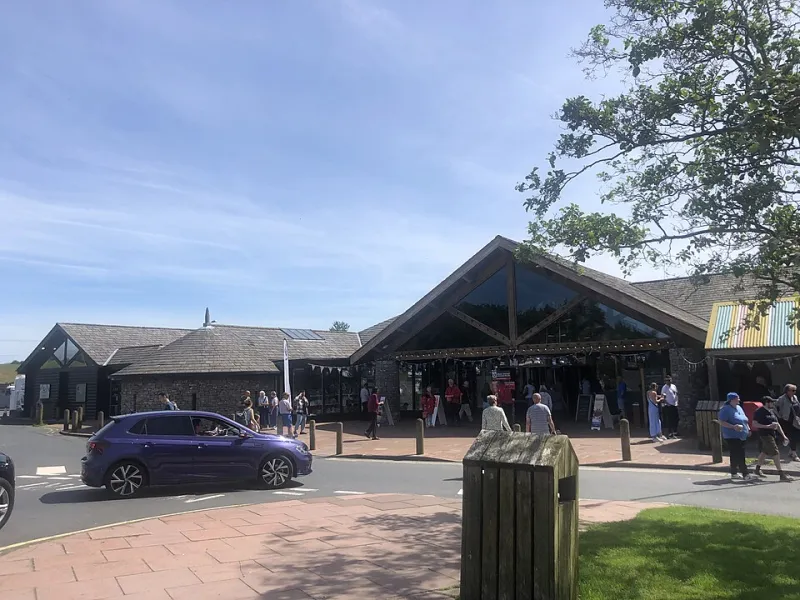
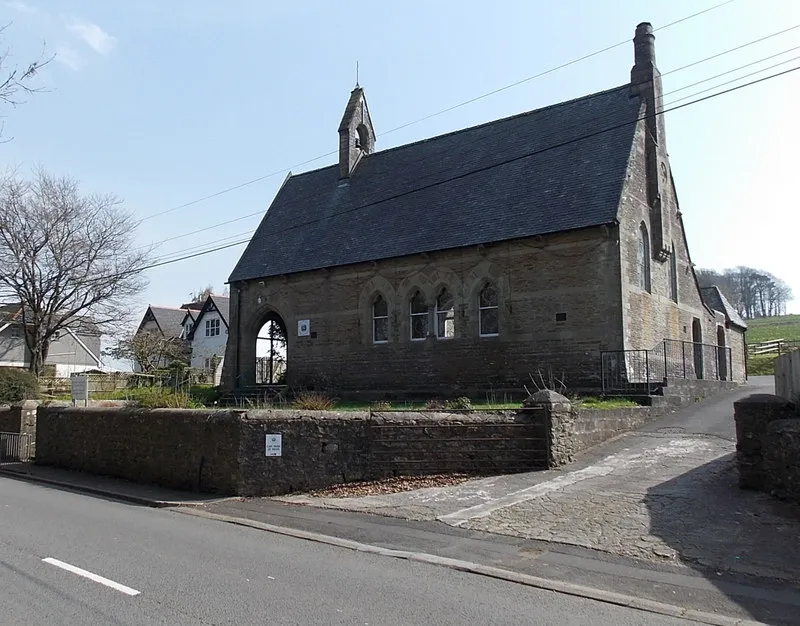
Photo: Eirian Evans , CC BY-SA 2.0, via Wikimedia Commons
Motorway services are not a place you go. They are a place you stop. This is the accepted wisdom, and it is wrong. A good service station is a cultural destination with a car park attached, and a great one is worth planning a day around. I am aware of how this sounds. I stand by it.
The British motorway network was built with a certain optimism. Watford Gap opened in 1959 and became a symbol of the new mobility. The Forton Services tower on the M6 was designed as a statement. The car parks of the 1970s were laid out with a kind of brutal confidence that we have never quite recaptured. Somewhere along the way, we decided these places were merely toilets with fuel, and we stopped looking at them properly. This is a mistake.
The route: M6 northbound, Preston to Carlisle
Five stops, ranked. This is not a scientific exercise. It is a personal one, conducted with a flask and an open mind.
5. Charnock Richard
Opened in 1963, Charnock Richard is one of the oldest services in the country and it wears its age with a certain bleak magnificence. The car park is a vast expanse of concrete that feels like a civic project from a different era. The main building has been refurbished more than once, but the bones are still there. Go for the sense of history and the fact that you can stand in a place that has watched half a century of British motoring pass through.
4. Southwaite
Southwaite is not glamorous. It is functional, Cumbrian, and quietly reliable. The bacon roll is decent, the coffee is hot, and the view towards the fells reminds you why you are on this road in the first place. It is the kind of stop that does its job without fuss, which is a virtue we undervalue.
3. Lancaster (Forton)
The Pennine Tower at Forton is the most recognisable service-station structure in Britain. Built in the 1960s, it once housed a restaurant with a view and now stands as a monument to a more ambitious age of road travel. The car park is elevated and the views over Morecambe Bay are genuinely good. You are not just stopping for petrol; you are stopping for a piece of architectural history. Take a photograph. Tell someone about it.
2. Killington Lake
Killington Lake is the quiet one. It sits beside a small lake and has a calm that most services cannot manage. There is a short walk, a bit of green, and a sense that you have briefly left the motorway even though you have not. It is the best place on this route to eat a sandwich you brought from home while looking at water. That counts for a lot.
1. Tebay
Tebay is the benchmark. The farm shop sells local meat, local cheese, local bread and local beer. The café uses proper ingredients. The whole place feels like it was built by people who care, because it was. It is the service station that other service stations are judged against, and it has been that way for years. Go on a weekday morning, buy something you did not plan to buy, and eat it looking at the fells. This is the day out.
Service-station etiquette, according to a lorry driver
I asked Dave, who has driven the M6 for thirty years, what the rest of us get wrong. He was patient with me.
- Do not park in the lorry bays. They are not overflow parking for cars. Drivers need them, and the fines are real.
- Do not block the fuel pumps while you go and buy a coffee. Move the car first.
- Let the driver with a timed tachograph go ahead of you in the queue. Their day is regulated by the minute; yours is not.
- Leave the accessible toilets for people who need them.
- Do not ask a driver if they are nearly home. They are not. They are at work.
- Use the far toilets. Dave says they are usually cleaner. I have no reason to doubt him.
- Nod. Do not chat unless they start it. A nod is the correct unit of service-station social interaction.
In praise of the transport café
The best food at a service station is often not in the service station at all. It is in the transport café attached to the lorry park, or the independent place just off the junction. Formica tables. Fried bread. A mug of tea that could strip paint. A radio playing something you did not choose. No Wi-Fi, no loyalty app, no queue for a till. These places are a national treasure and they are disappearing. If you see one, go in. Order the full breakfast. Sit down. You will understand.
The motorway services are not a necessary evil. They are a strange, useful, occasionally beautiful part of British life. Take a flask. Take your time. Rank them yourself.