Forty Miles for a Fern: A Field Guide to the Garden Centre Coach
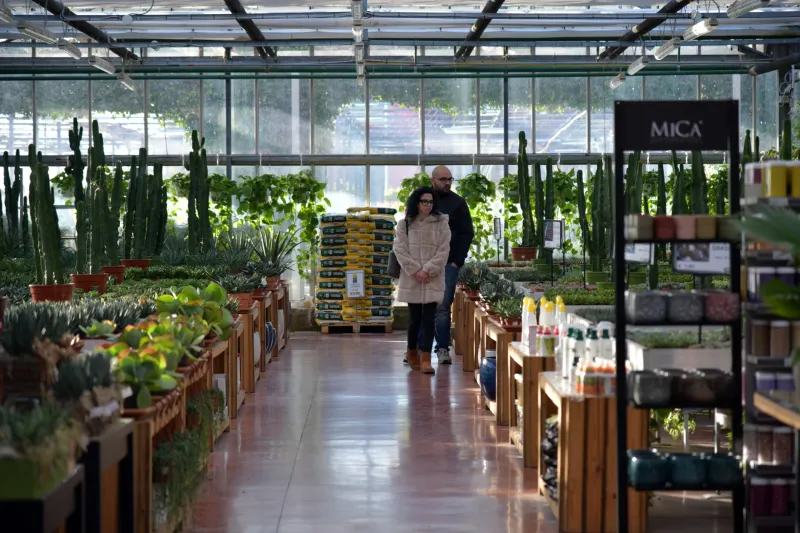
There is a particular kind of British day out that begins in a car park at 9:12am, involves a clipboard, and ends with a stranger’s boot full of compost. The coach trip to the garden centre is not shopping. It is theatre. In 2026, when almost everything can be summoned to your door by lunchtime, the organised coach trip remains gloriously, stubbornly scheduled. You do not simply go to a garden centre. You attend it.
The boarding: the clipboard is the script
Arrive ten minutes early, but not twenty. Twenty minutes marks you as anxious; five minutes marks you as unreliable. The organiser stands by the coach door with a list, and the list is not administration — it is casting. Names are ticked, whispered and cross-checked. The driver loads the last of the walking sticks into the hold. Someone says, “Ooh, are we on this one?” even though there is only one coach.
The coach smells of diesel and faintly of mint. The driver makes an announcement about the return time, and everyone agrees to it in the way people agree to a dentist appointment: politely, and with private doubts. This is the first rule of the garden centre coach. The timetable is the plot. Everything else is improvisation.
The seat map is a social atlas
Do not underestimate the seat politics. The front seats belong to the self-appointed navigators, the ones who say “I think it’s the next left” forty minutes after the turn. The middle is for chatter, boiled sweets and the passing of a newspaper across the aisle. The back is for the mildly rebellious, which on a garden centre coach means someone who has brought a flask and intends to use it before the scheduled stop.
If you are invited to sit near the front on your first trip, you have been fast-tracked. If you are not, enjoy the view. Practical recommendation: board early but not first. First is too eager. Last is suspect. Somewhere in the middle is the mark of a person who understands that a day out is a group activity, not a race.
The café is the interval, not the main event
The garden centre café functions as the interval of the whole production. The queue is a promenade. The trays are a test of upper-body strength and social confidence. Order tea, or filter coffee, or a scone the size of a small hat. Notice who has the loyalty card. Notice who says “we’re not stopping long” while ordering a second pot.
Tables are territory. The window table is the stalls; the table by the till is the cheap seats; the table near the radiator is for people who have done this before and know exactly where the draught comes from. This is where the day’s gentle competition begins. Not a race, exactly. More a quiet assessment of who knows the menu, who bags the best table, and who can produce a packet of biscuits from a handbag at precisely the right moment.
The compulsory cyclamen
Every coach trip has a purchase that functions as a ticket. Not the expensive thing — the token. A cyclamen. Winter pansies. A bag of bird seed. A single ceramic mushroom with an expression of mild surprise. The cyclamen is perfect: cheap, colourful, fits on a lap, and proves participation. It says, “I was here, and I contributed to the economy of the day.”
Garden centres in 2026 are not just garden centres. They are candle shops, sock shops, furniture showrooms and Christmas departments that open in October. But the coach trip purchase remains modest. The person who buys a large olive tree is either showing off or has a plan involving a son-in-law and a trailer. Read the purchase carefully. A gift bag suggests a first-timer. A bag of compost and a replacement wick for a lantern suggests a veteran. Two cyclamens suggest someone who could not choose, which is the most honest purchase of all.
The return journey is the real sorting
The return journey reveals the hierarchy. Everyone is tired. Carrier bags rustle. Someone’s knees are in the aisle. The person who bought the most is not automatically top dog; the person with the best story is. “You’ll never guess what they wanted for that fern.” “I only went in for a birthday card.” “They’ve got a café in there now, you know.”
The return is when friendships are confirmed and next month’s trip is discussed. It is also when the driver puts on a CD that nobody asked for, and everyone quietly decides whether to tolerate it. The best seat on the return is not the front. It is the one with legroom and a window that does not whistle. Bring a tote bag, not a trolley. A trolley says you planned to buy. A tote says you are open to possibility.
Curious recommendations for reading the day out correctly
- Arrive ten minutes early. Learn the driver’s first name.
- Sit somewhere different each trip and map the social geography.
- Buy one cyclamen. Not two. Two is a cry for help.
- Treat the café stop as observation, not speed-eating.
- On the way home, ask the person next to you what they bought. Their answer is the plot.
- Never comment on the amount of compost in someone’s boot unless invited.
The coach trip to the garden centre is not really about plants. It is about a town rehearsing its friendships under a strict timetable. It is orderly, gently competitive and very British. And if you go, buy the cyclamen. It is the price of admission.